
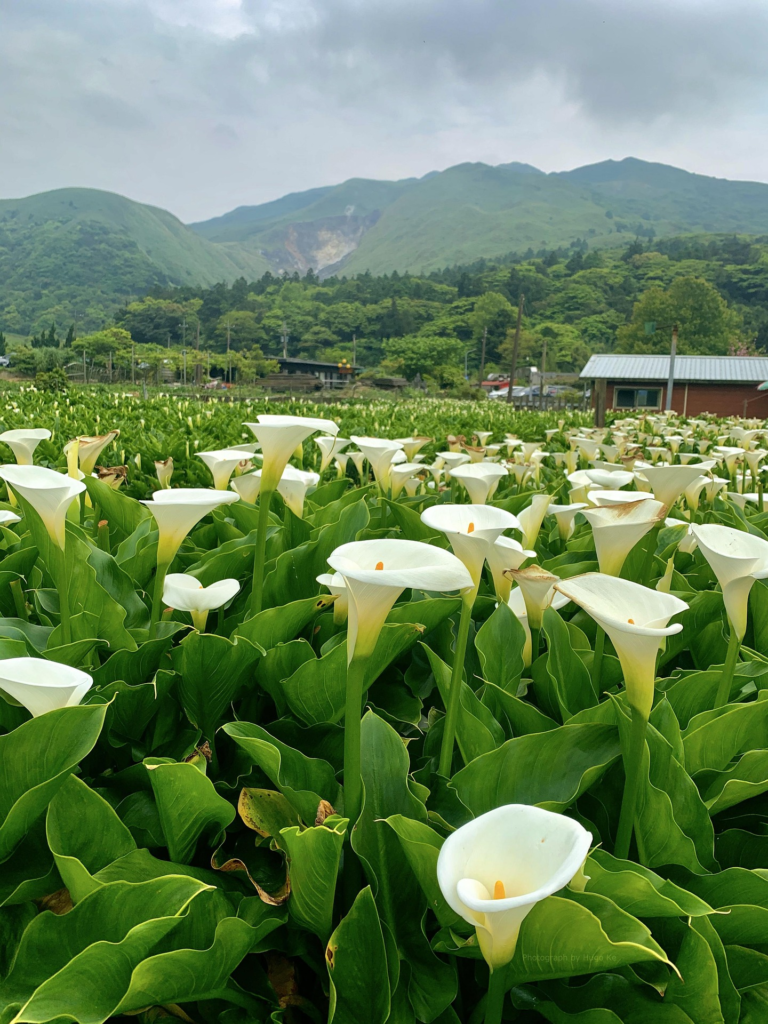
Yangmingshan (陽明山) is a mountainous national park area in northern Taiwan, spanning parts of Taipei City and New Taipei City. Known for its volcanic landscape, hot springs, seasonal flower displays, and easy access from Taipei, Yangmingshan is a popular destination for hiking, sightseeing, and nature study.
Highlights
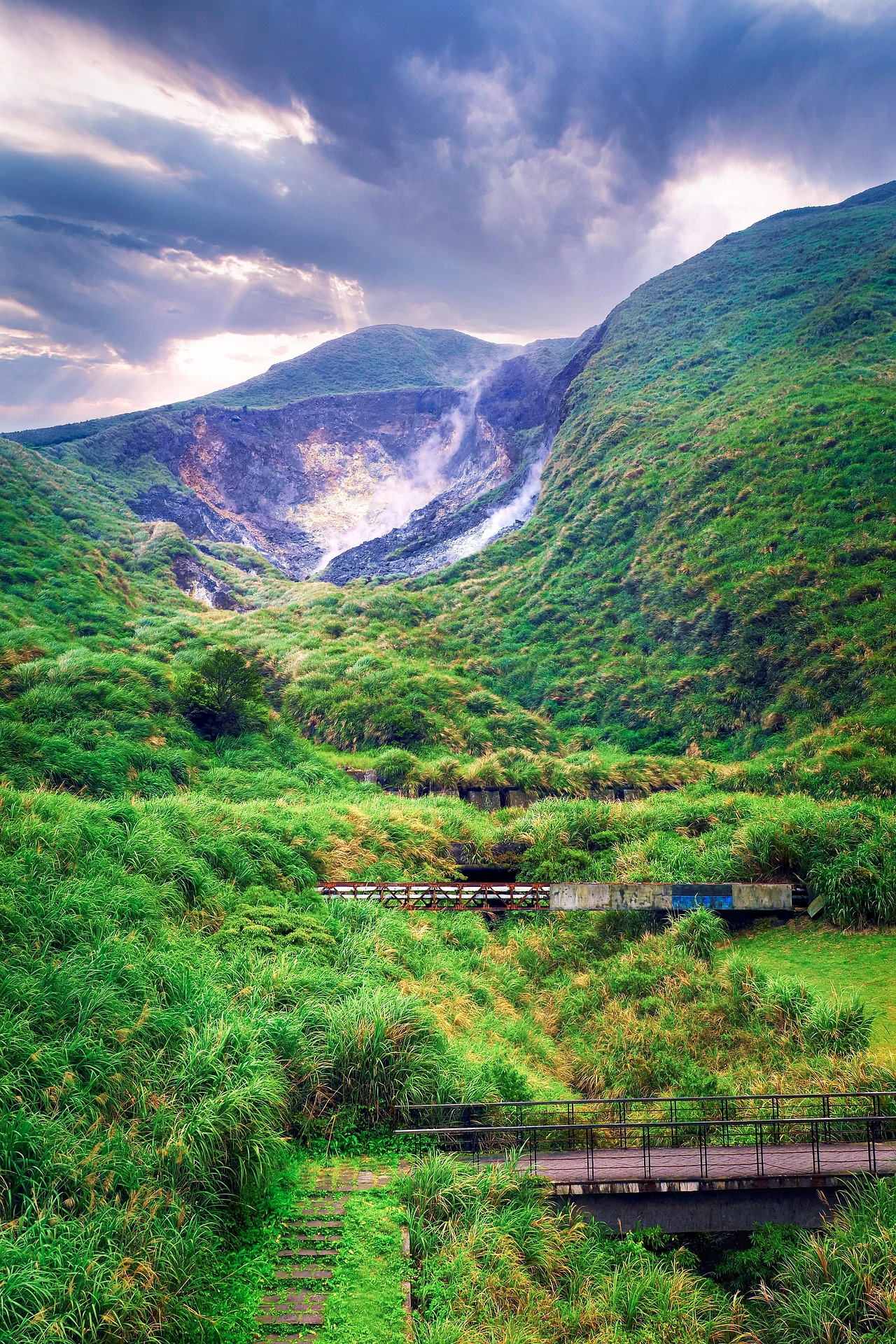
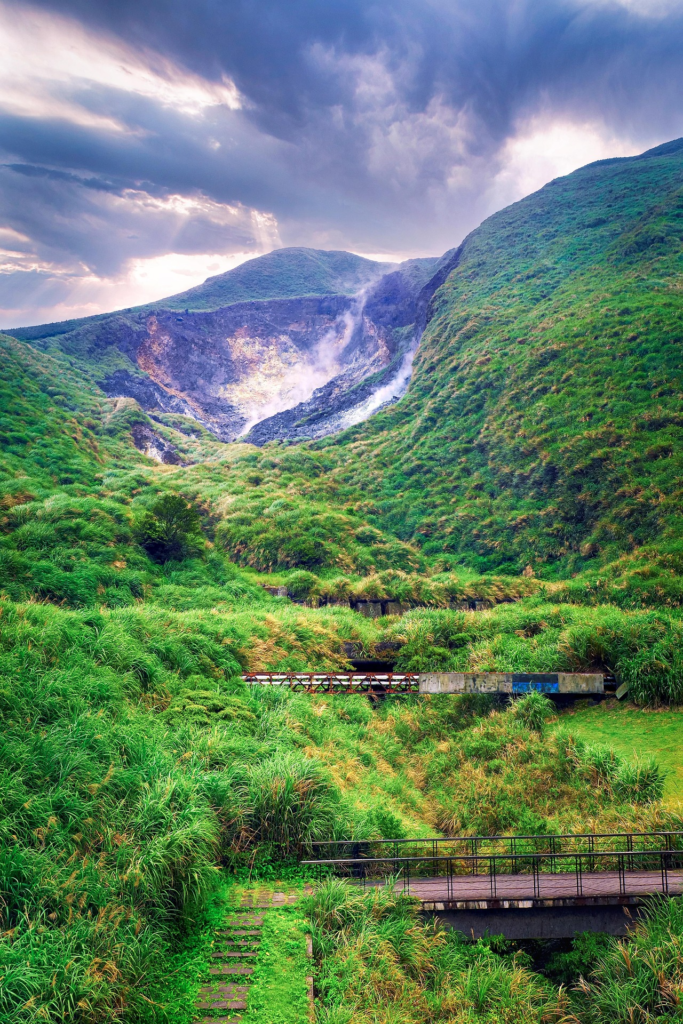
- Geology and terrain: Part of the Yangmingshan National Park, the area features volcanic landforms—fumaroles, sulfur deposits, and rolling grasslands—formed by past volcanic activity.
- Hot springs: Beitou and several smaller springs near Yangmingshan offer public baths and private hot-spring resorts, popular for relaxation year-round.
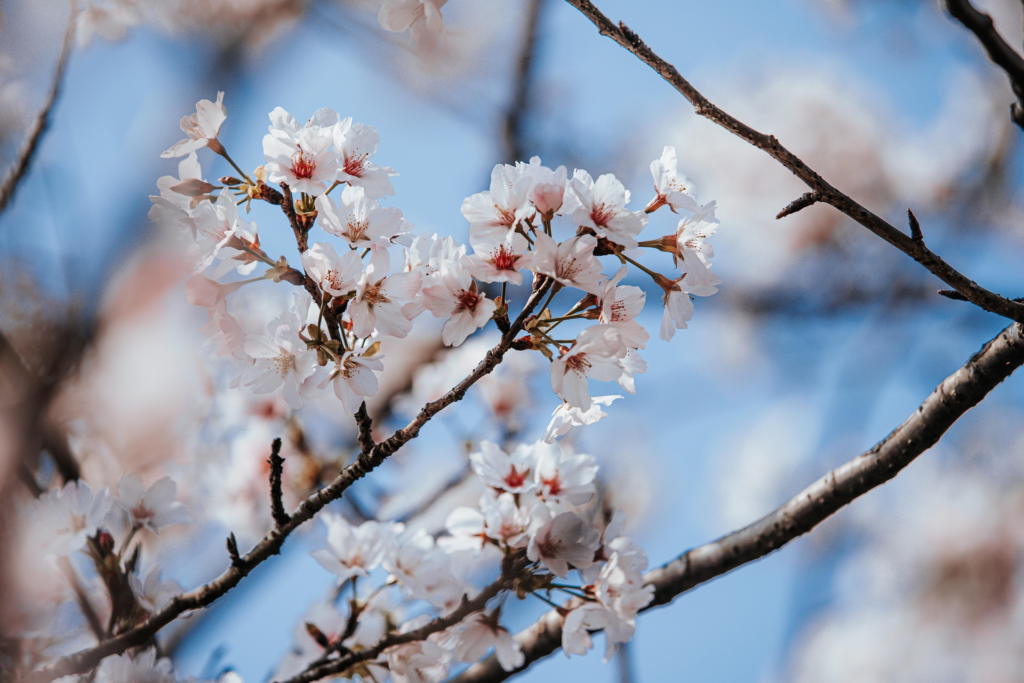
- Flower seasons: Cherry blossoms and plum blossoms bloom in late winter to early spring; the park’s azaleas and calla lilies (Zantedeschia) create colorful displays in spring and summer. Flower festivals and guided tours are common.
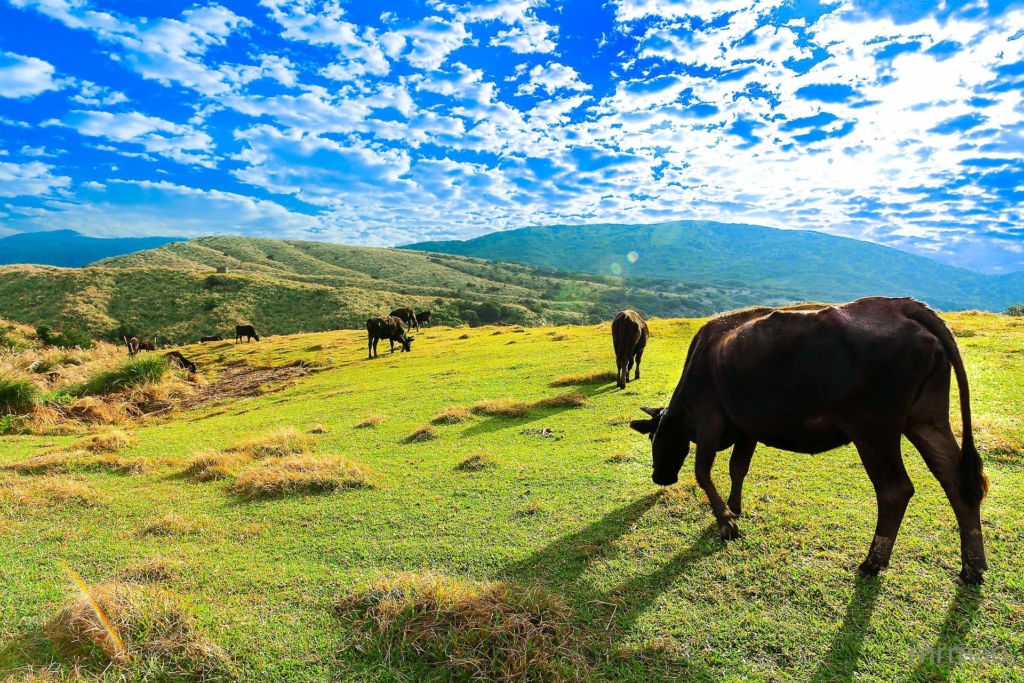
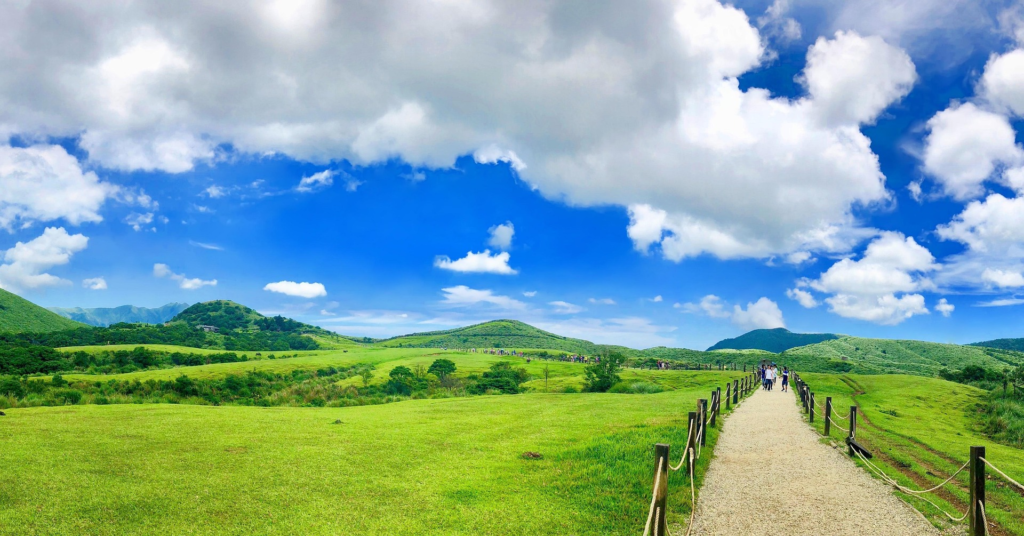
- Grasslands and viewpoints: Qingtiangang (a highland meadow) offers easy walks, grazing cattle, and panoramic views of Taipei. Lengshuikeng and Qixing Mountain area provide scenic viewpoints.
- Hiking: A range of trails from short, family-friendly paths to more challenging hikes—Qixing Mountain (七星山), the highest peak in Taipei, is a popular summit with rewarding views.
- Wildlife and vegetation: Subtropical montane forests, native and introduced plant species, migrating birds, butterflies, and small mammals make it a good spot for nature-watching.
Key spots
- Qixing Mountain (Seven Star Mountain): Highest peak in the park (~1,120 m), accessible via several trails; offers sunrise and city views.
- Qingtiangang Grassland: Wide open grassland with boardwalks and grazing cattle; very accessible and family-friendly.
- Xiaoyoukeng: A fumarole area with sulfur vents, rugged volcanic landscape, and viewing platforms.
- Lengshuikeng: A cool, forested area with a small volcanic crater and a popular picnic site.
- Beitou hot springs (adjacent area): Historic hot-spring baths and public facilities; Beitou Hot Spring Museum is nearby.
- Yangmingshan Flower Clock and Visitor Center: Useful starting points for logistics, maps, and seasonal information.
Visitor information
- Best times to visit: Spring (February–April) for flowers and cooler weather; autumn for clearer skies. Summer can be warm and humid; winter is chilly and foggy at higher elevations.
- Getting there: Easily reachable from central Taipei via bus, taxi, or car. Several bus routes depart from MRT stations (e.g., Jiantan, Beitou) to major park entrances and attractions.
- Facilities: Visitor centers, restrooms, picnic areas, visitor information, and signage in multiple languages at popular sites.
- Fees and permits: Most park areas are free to enter. Certain attractions, guided tours, or private hot-spring facilities may charge fees. Check for temporary access restrictions during bad weather or conservation activities.
- Safety and regulations: Stay on marked trails, watch for sudden weather changes, and respect wildlife and plant life. Some fumarole areas can be hazardous—observe barriers and warning signs.
Tips
- Layer clothing: Weather can change quickly; higher elevations are cooler and windier than the city.
- Start early: Popular trails and scenic spots get crowded on weekends and holidays.
- Transport planning: Public buses run regularly but can be busy during peak flower seasons and holidays—consider arriving early or using a taxi if short on time.
- Leave no trace: Carry out trash and avoid picking flowers or disturbing wildlife to help preserve the park’s natural beauty.
Why visit
Yangmingshan offers a compact mix of accessible mountain scenery, volcanic geology, seasonal flora, and nearby hot springs—making it a versatile day-trip or short overnight getaway from Taipei for hikers, photographers, and nature lovers.